As December settles over North India, a familiar white veil descends upon the highways of Gurgaon, Noida, and the Delhi NCR. While the winter fog may look serene, it creates some of the most treacherous driving conditions in the world. For the residents of this region, the “foggy months” are synonymous with a sharp rise in road traffic accidents (RTAs) and multi-vehicle pile-ups.
In these high-pressure moments, the difference between a tragedy and a recovery often rests on the shoulders of the first person to arrive at the scene: the Emergency Medical Technician (EMT). As we move into 2026, the demand for highly skilled EMTs has never been greater. At Global A1 Institutes, we understand that when visibility drops to zero on the Western Peripheral Expressway, it is the invisible skill of a well-trained EMT that saves lives.
The “Golden Hour” in Zero Visibility
In emergency medicine, the “Golden Hour” refers to the first sixty minutes following a traumatic injury. During this window, prompt medical intervention significantly increases the chances of survival and reduces the risk of long-term disability.
During North India’s winter, the Golden Hour is under constant threat. Thick fog doesn’t just cause accidents; it delays the arrival of help. Ambulances must navigate through low-visibility corridors, and once they arrive, the environment is often chaotic, cold, and dangerous.
This is where “Basic Skill” is no longer enough. An EMT operating in foggy conditions must be a master of Triage—the ability to quickly assess multiple victims and prioritize those with life-threatening injuries. In a multi-car pile-up, an EMT must remain calm amidst the sirens and the cold, making split-second decisions that determine who receives care first.
Why Winter Emergencies Demand Specialized Training
Winter emergencies in the NCR aren’t limited to physical trauma from collisions. The season introduces specific physiological challenges that an EMT must be prepared to handle:
Hypothermia and Shock: Trauma victims lose body heat rapidly, especially when trapped in wreckage during a 5°C Delhi morning. A skilled EMT knows that managing a patient’s temperature is just as critical as stopping a bleed.
Respiratory Distress: The combination of extreme cold and peak pollution levels (smog) often leads to acute respiratory failures or cardiac arrests at the scene of an accident.
Complex Extractions: Fog-related accidents often involve high-speed impacts. EMTs must work alongside fire and rescue teams to stabilize patients while they are being extracted from crumpled vehicles, requiring advanced knowledge of spinal immobilization and airway management in cramped spaces.
The Global Advantage: Training at a Level-1 Trauma Centre
At Global A1 Institutes, we don’t just teach the theory of emergency care; we immerse our students in the reality of it. Our EMT program is uniquely integrated with our own Global Hospital & Trauma Centre. This “Hands-on Training” model is what sets our graduates apart during the grueling winter months.
Real-Life, High-Pressure Exposure
Unlike traditional classrooms, our students rotate through an active Level-1 Trauma Centre. They observe and assist in real emergencies, learning the “rhythm” of a trauma bay. When a student sees how a senior clinician manages a massive hemorrhage or a crushed limb, that knowledge becomes part of their muscle memory.
Advanced Simulation Labs
Before they ever step onto an ambulance, our EMTs-in-training use high-fidelity simulation labs to practice procedures like intubation, IV placement, and defibrillation. We simulate “low-visibility” scenarios and “cold-weather” drills to ensure that the first time they face a foggy highway emergency, they feel like they’ve been there before.
ISO-Certified Skill Validation
In 2026, the standard for emergency care has been raised. Our curriculum is ISO-certified, ensuring that our EMTs are trained to international standards. This certification is a badge of trust for hospitals and ambulance services across India, proving that the technician is capable of delivering life-saving care under the most adverse conditions.
Future-Proofing a Career in Emergency Medicine
Choosing to become an EMT is a commitment to a career that is “future-proof” and deeply purposeful. As long as there is travel and movement, there will be a need for emergency responders.
For students and career-switchers entering the field in 2026, the opportunities are vast. Beyond traditional ambulances, skilled EMTs are now being hired by:
High-Speed Expressway Patrols: Dedicated trauma teams for the new network of Indian highways.
Corporate Wellness Hubs: Large MNCs in Gurgaon now maintain on-site emergency response teams.
Air Ambulance Services: For rapid transport of critical patients from remote winter locations to city hospitals.
Conclusion: Be the Light in the Fog
As we look out at the mist-covered roads this December, we are reminded that safety is a collective effort. While we urge every driver to slow down and use fog lights, we also recognize that accidents will happen. When they do, the skill of the EMT is the greatest asset we have.
If you are looking for a career that challenges your mind and rewards your heart, emergency medicine is waiting for you. Don’t just watch the news this winter; become the person who changes the outcome. Join the EMT training program at Global A1 Institutes, get the hands-on experience only a dedicated Trauma Centre can provide, and prepare yourself to be the most important person at the scene.
If you are looking for a career that challenges your mind and rewards your heart, emergency medicine is waiting for you. Don’t just watch the news this winter; become the person who changes the outcome. Join the EMT training program at Global A1 Institutes, get the hands-on experience only a dedicated Trauma Centre can provide, and prepare yourself to be the most important person at the scene.
As we look out at the mist-covered roads this December, we are reminded that safety is a collective effort. While we urge every driver to slow down and use fog lights, we also recognize that accidents will happen. When they do, the skill of the EMT is the greatest asset we have.
Conclusion: Be the Light in the Fog
Air Ambulance Services: For rapid transport of critical patients from remote winter locations to city hospitals.
Corporate Wellness Hubs: Large MNCs in Gurgaon now maintain on-site emergency response teams.
High-Speed Expressway Patrols: Dedicated trauma teams for the new network of Indian highways.
For students and career-switchers entering the field in 2026, the opportunities are vast. Beyond traditional ambulances, skilled EMTs are now being hired by:
Choosing to become an EMT is a commitment to a career that is “future-proof” and deeply purposeful. As long as there is travel and movement, there will be a need for emergency responders.
Future-Proofing a Career in Emergency Medicine
In 2026, the standard for emergency care has been raised. Our curriculum is ISO-certified, ensuring that our EMTs are trained to international standards. This certification is a badge of trust for hospitals and ambulance services across India, proving that the technician is capable of delivering life-saving care under the most adverse conditions.
ISO-Certified Skill Validation
Before they ever step onto an ambulance, our EMTs-in-training use high-fidelity simulation labs to practice procedures like intubation, IV placement, and defibrillation. We simulate “low-visibility” scenarios and “cold-weather” drills to ensure that the first time they face a foggy highway emergency, they feel like they’ve been there before.
Advanced Simulation Labs
Unlike traditional classrooms, our students rotate through an active Level-1 Trauma Centre. They observe and assist in real emergencies, learning the “rhythm” of a trauma bay. When a student sees how a senior clinician manages a massive hemorrhage or a crushed limb, that knowledge becomes part of their muscle memory.
Real-Life, High-Pressure Exposure
At Global A1 Institutes, we don’t just teach the theory of emergency care; we immerse our students in the reality of it. Our EMT program is uniquely integrated with our own Global Hospital & Trauma Centre. This “Hands-on Training” model is what sets our graduates apart during the grueling winter months.
The Global Advantage: Training at a Level-1 Trauma Centre
Complex Extractions: Fog-related accidents often involve high-speed impacts. EMTs must work alongside fire and rescue teams to stabilize patients while they are being extracted from crumpled vehicles, requiring advanced knowledge of spinal immobilization and airway management in cramped spaces.
Respiratory Distress: The combination of extreme cold and peak pollution levels (smog) often leads to acute respiratory failures or cardiac arrests at the scene of an accident.
Hypothermia and Shock: Trauma victims lose body heat rapidly, especially when trapped in wreckage during a 5°C Delhi morning. A skilled EMT knows that managing a patient’s temperature is just as critical as stopping a bleed.
Winter emergencies in the NCR aren’t limited to physical trauma from collisions. The season introduces specific physiological challenges that an EMT must be prepared to handle:
Why Winter Emergencies Demand Specialized Training
This is where “Basic Skill” is no longer enough. An EMT operating in foggy conditions must be a master of Triage—the ability to quickly assess multiple victims and prioritize those with life-threatening injuries. In a multi-car pile-up, an EMT must remain calm amidst the sirens and the cold, making split-second decisions that determine who receives care first.
During North India’s winter, the Golden Hour is under constant threat. Thick fog doesn’t just cause accidents; it delays the arrival of help. Ambulances must navigate through low-visibility corridors, and once they arrive, the environment is often chaotic, cold, and dangerous.
In emergency medicine, the “Golden Hour” refers to the first sixty minutes following a traumatic injury. During this window, prompt medical intervention significantly increases the chances of survival and reduces the risk of long-term disability.
The “Golden Hour” in Zero Visibility
In these high-pressure moments, the difference between a tragedy and a recovery often rests on the shoulders of the first person to arrive at the scene: the Emergency Medical Technician (EMT). As we move into 2026, the demand for highly skilled EMTs has never been greater. At Global A1 Institutes, we understand that when visibility drops to zero on the Western Peripheral Expressway, it is the invisible skill of a well-trained EMT that saves lives.
As December settles over North India, a familiar white veil descends upon the highways of Gurgaon, Noida, and the Delhi NCR. While the winter fog may look serene, it creates some of the most treacherous driving conditions in the world. For the residents of this region, the “foggy months” are synonymous with a sharp rise in road traffic accidents (RTAs) and multi-vehicle pile-ups.
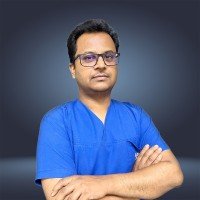
Dr. Sunil Saini is a distinguished orthopedic surgeon with expertise in cosmetic limb lengthening, deformity correction, and Ilizarov surgery. With a career spanning over two decades, he has made significant contributions to the field of orthopedics, particularly in advanced limb lengthening techniques.