
Anesthesia Technician Course
Gain hands-on training in anesthesia support, patient monitoring, OT procedures, and surgical care for a rewarding healthcare career.
⭐⭐⭐⭐⭐ 4.8 Trained Students: 1,100+
📅 2 Year Advanced Diploma
📅 3 Year Degree
🎓 10+2 Any Stream
🏥 Hospital Internship Included
📜 Nationally Recognised
✔ Government Recognised
✔ Specialist Doctor Faculty
✔ EMI Available
About this Course
2-3 Years
Course Duration
100%
Placement Assistance
₹3–15L
Avg Annual Package
The Anesthesia Technician Course is one of the most in-demand paramedical programs in India today.
It trains individuals to work comprehensively inside operating theatres—setting up anesthesia machines, assisting doctors, monitoring patient vitals, and maintaining complete safety frameworks during surgical procedures.
This program is offered at three distinct pathways to fit career requirements:
- Diploma in Anesthesia Technician: 2 Years
- Degree in Anesthesia Technology: 3 Years
Graduates actively work alongside surgeons and anesthesiologists in premium healthcare groups such as Fortis, Max, Medanta, and Apollo. The training provides foundational expertise
covering equipment preparation, checking drug dosages, and enforcing the standard manual of anesthesia for operating theatre technicians.
Who Should Enrol?
🎓
10+2 Science Students: Individuals looking for a fast-track, secure career path in healthcare and surgical centres.
🏥
Operating Theatre Staff: Existing OT assistants or paramedical workers looking to acquire a formal diploma qualification to transition into senior roles.
🧑⚕️
Global Aspirants: Candidates planning to target high-demand international roles, including healthcare infrastructure networks in Dubai and Kuwait.
👓
Public Sector Aspirants: Individuals aiming for entry-level government technical vacancies posted by bodies like AIIMS, ESIC, and Indian Railways.
Course Curriculum
The academic blueprint balances theoretical instruction, laboratory simulations, and live hospital settings designed around real clinical workflows. The program covers standard anesthesia technology practices, patient care support, hospital safety protocols, and hands-on clinical training through 7 well-structured modules.
Module – Basics of Anesthesia and Human Anatomy
- Introduction to Anesthesia: Types and foundational uses in surgery
- Human Anatomy and Physiology tailored for OT technicians
- Basic Pharmacology: Administering and checking drugs used in anesthesia
- Patient assessment protocols before surgery
Module – Anesthesia Equipment and OT Setup
- Types of Anesthesia Machines: Operational parts, functions, and safety checks
- Ventilators, multi-parameter monitors, and airway devices
- Pre-OT safety checklists and equipment troubleshooting
- Core protocols from the Manual of Anesthesia for Operating Theatre Technicians
Module – Intraoperative Patient Care and Monitoring
- Patient positioning guidelines and physical safety during surgeries
- Vital signs monitoring Continuous ECG, SpO2, Blood Pressure, and Capnography
- interpretation
- Airway management workflows and intubation assistance
- Fluid and clinical drug administration under structured medical supervision
Module – General, Regional, and Emergency Anesthesia
- General Anesthesia workflows: Induction, maintenance, and clinical reversal
- Regional and Spinal anesthesia assisting techniques
- Anesthetic care adjustments for Pediatric, Geriatric, and Trauma emergencies
- Managing acute anesthesia emergencies and procedural complications
Module – OT Sterilisation, Infection Control, and Safety
- Sterilisation methods and validation protocols inside the Operating Theatre
- Biomedical Waste Management rules and clinical infection control
- OT safety parameters and surgical checklists aligned with standard WHO Guidelines
- Occupational hazard management and the use of Personal Protective Equipment
Module – ICU, PACU, and Post-Operative Care
- Post-Anesthesia Care Unit (PACU) post-operative management workflows
- ICU monitoring parameters and advanced ventilator handling basics
- Recovery room patient stabilisation and structured handover protocols
- CPR and Advanced Life Support (ALS) fundamentals
Module – Clinical Internship and Hospital Practicum
- Live, supervised clinical rotations at partner hospital networks (Fortis, Max, Medanta)
- Direct application of Anesthesia Technician duties during real surgeries
- Professional portfolio creation, resume design, and targeted mock interviews
- Final institutional case study submission and performance evaluation
Career Scope & Salary in India
Career Opportunities After the Course
Anaesthesia Technician
Assists anaesthesiologists during surgeries by handling anaesthesia equipment & patient monitoring.
Operation Theatre Technician
Manages OT setup, surgical instruments & smooth operation theatre assistance during procedures.
Critical Care Technician
Supports ICU teams in monitoring critically ill patients & emergency life-support systems.
Senior OT & Anaesthesia Technician
Handles advanced surgical support, anaesthesia management & OT coordination in multispecialty hospitals.
OT Supervisor / OT In-Charge
Oversees operation theatre staff, surgical workflow & patient safety protocols.
Chief OT Technician / Anaesthesia Technologist
Leads OT operations, advanced anaesthesia support & surgical technology management in corporate hospitals.
Average Salary by Role - 2025 - 2026
Anaesthesia Technician
₹3 – 5 LPA
Operation Theatre Technician
₹4 – 6 LPA
Critical Care Technician
₹4 – 7 LPA
Senior OT & Anaesthesia Technician
₹5 – 8 LPA
OT Supervisor / OT In-Charge
₹8 – 12 LPA
Chief OT Technician / Anesthesia Technologist
₹10 – 15+ LPA
Skills You Will Gain
Anesthesia Setup
Airway Management
Vital Monitoring
Ventilator Handling
ICU Workflows
OT Documentation
Infection Control
CPR & ALS
Meet Your Faculty
Every faculty member at Global A1 Institutes is a practising specialist doctor — not just a classroom instructor.
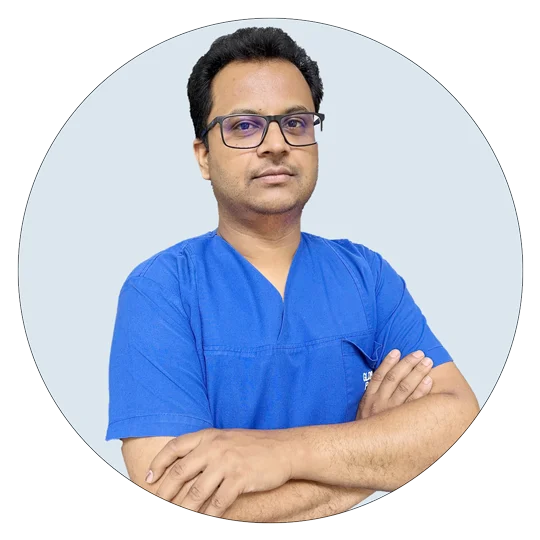
Dr. Sunil Saini
Trauma & Ilizarov Surgeon | Chairman, Global A1 Institute
15+ years clinical experience
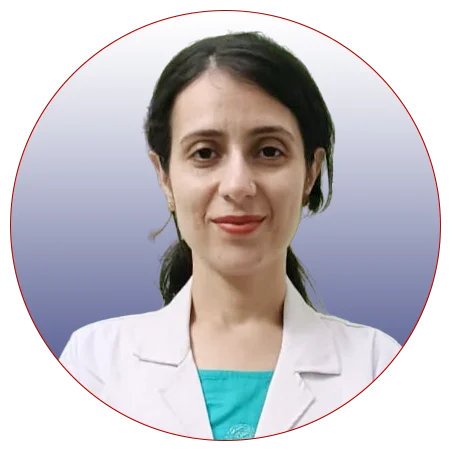
Dr. Mahak Sharma
Pathologist | MLT Programme Lead
Specialist in clinical pathology & haematology
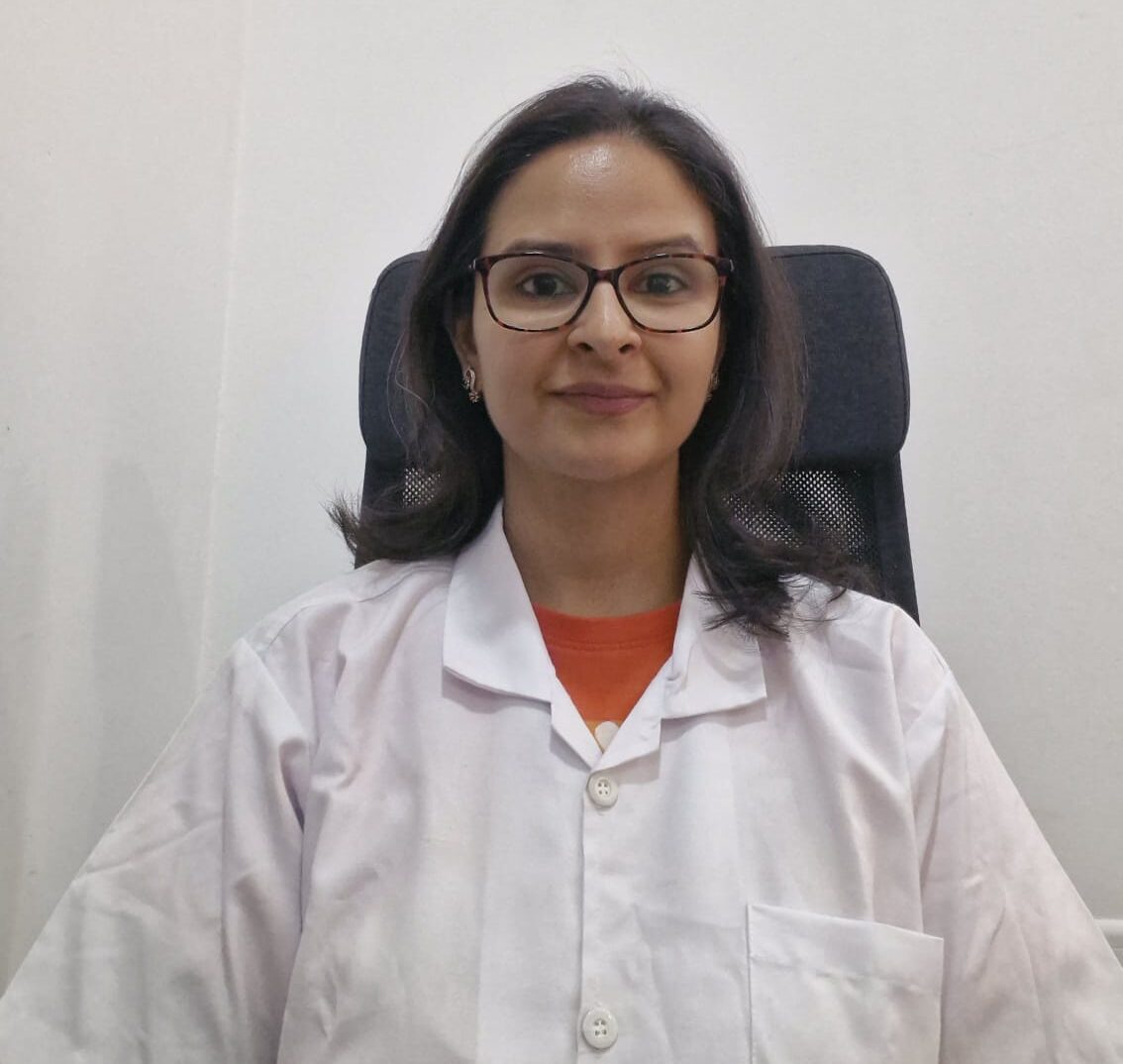
Dr. Apoorva Sharma
Additional Director Academics
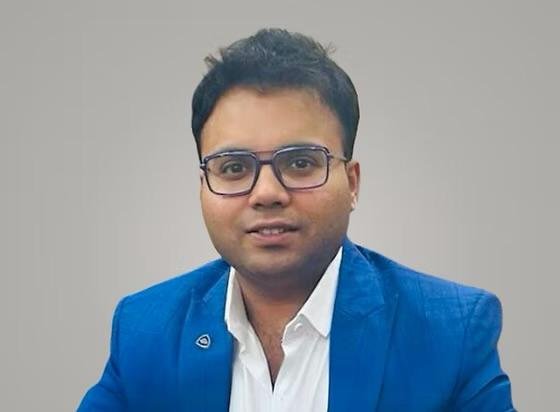
Dr. Jatin Jain
Teaching Faculty and Assessor
What Our Students Say
"Before I took this course, I felt confused about how operating theatres work. At Global A1, we learned by doing. We set up anesthesia. We also monitored patients. The teachers explained things in a very simple way, so learning never felt difficult. In my Medanta interview, I saw that we had already covered many questions. We talked about them in our practical sessions."
RY
Rohit Yadav
Placed at Medanta – The Medicity, Gurugram
★★★★★
"I felt a strong sense of nervousness during my first OT practical. It was my first time in a surgical environment. But the faculty guided us with care and helped us build confidence gradually. The ICU and ventilator training sessions helped me the most because they felt very real. After finishing the course, I got a job at Max Hospital. Now, I am much more confident in the OT."
NS
Neha Sharma
Placed at Max Hospital, Saket, Delhi
★★★★★
"I felt a strong sense of nervousness during my first OT practical. It was my first time in a surgical environment. But the faculty guided us with care and helped us build confidence gradually. The ICU and ventilator training sessions helped me the most because they felt very real. After finishing the course, I got a job at Max Hospital. Now, I am much more confident in the OT."
NS
Neha Sharma
Max Hospital, Saket, Delhi
★★★★☆
"What I liked most about Global A1 was the practical exposure. We were not reading books all day; we actually learned how hospitals work. The doctors told real stories from surgeries. They also shared emergency cases. This made the classes fun and interesting. Placement support was also very helpful during interviews. Within a few weeks of course completion, I got selected at Artemis Hospital."
AK
Aman Khan
Artemis Hospital, Gurugram
★★★★★
Frequently Asked Questions
Q1: What are the eligibility rules for admissions?
▲
A: To join the Diploma program, candidates need a 10+2 passing mark. This should be in Science, which includes Physics, Chemistry, and Biology. The board must be recognised. The total mark should be between 40% and 50%. The B.Sc. pathway requires at least 50% in 10+2 Science, while the Post-Basic track requires an active B.Sc. or GNM qualification alongside 1 year of clinical experience.
Q2: What are the primary responsibilities inside the operating theatre?
▼
A: Technicians prepare anesthesia stations. They check each part. They make sure everything works for surgery. They help medical staff with intubations. They watch patient vitals on monitors. They manage IV channels. They also move stable patients to recovery zones without risk.
Q3: How does the institute ease international job hunting?
▼
A: The institutional curriculum has special classes. These classes teach how to get regional licenses. This covers the Dubai Health Authority (DHA) and the Kuwait Ministry of Health (MOH). We pair this with custom resume-building workshops designed for global hospital recruitment standards.
Q4: Does the course include practical OT and ICU training?
▼
A: Yes. Students get hands-on training inside operating theatres, ICUs, and recovery rooms. They learn to set up anesthesia. They handle ventilators and manage airways. They check patients and provide emergency support. They also get real hospital experience.
Q5. What job opportunities are available after completing this course?
▼
A: After finishing the course, students can become Anesthesia Technicians or OT Assistants. They can also work as ICU Technicians or Ventilator Technicians. Some may choose to be Critical Care Support Staff. Hospitals, trauma centres, and surgical units in India and beyond find these jobs.
Q6. Is this course good for students who want a quick hospital placement?
▼
A: Yes. The designers created the course with practical training and job-focused learning. Many students get internships right after finishing the program. They also find hospital placements. This happens due to hospital ties. Plus, they get placement help.What skills will students learn during the training?
Q7. What skills will students learn during the training?
▼
A: Students set up anesthesia machines. They support airways and use ventilators. They learn about OT sterilisation. They also check patient vitals. They manage biomedical waste and provide CPR. Finally, they follow emergency care procedures in hospitals.
Admission Process — June 2026 Batch
01
Enquire / Call
Call or WhatsApp our counselling team
02
Free Counselling
Visit campus or join an online session
03
Submit Documents
10+2 marksheet, Aadhaar, passport photos
04
Confirm & Start
Pay first instalment & begin your journey
Send Us a Message
Course at a Glance
Duration
2–3 Years
Eligibility
10+2 (Any Stream)
Mode
On-Campus
Language
Hindi / English
Internship
6 Months
Placement
95% rate
Institute Location
📍 Global A1 Institute of Science
Pataudi, Gurugram District
Haryana — 122503
Pataudi, Gurugram District
Haryana — 122503
~30 km from Gurugram city
Accessible from Rewari, Jhajjar, Nuh
Near NH-48 (Delhi–Jaipur Highway)
Hostel facility available