
Diabetes care doesn’t stand still – and neither does diabetes educator training. Any clinician updating their diabetes educator training this year needs to track five ADA changes closely.
Each year, the American Diabetes Association (ADA) updates its Standards of Care, and every update reshapes what a Certified Diabetes Care and Education Specialist (CDCES), nurse, or clinician needs to know.
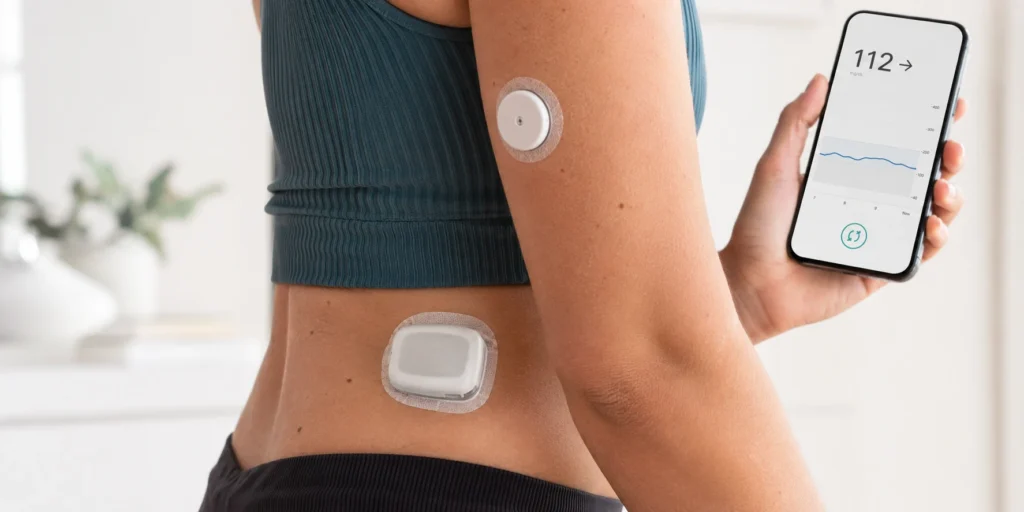
The 2026 edition marks one of the largest shifts in recent years: a move away from reactive blood-sugar management toward care that is proactive, technology-supported, and built around the whole person.
This guide breaks down each change, what it means for diabetes educator training in daily practice, and where to verify the details yourself.
1. Automated Insulin Delivery (AID) Becomes the Preferred Standard
For 2026, the ADA now recommends AID – also called closed-loop insulin delivery — as the preferred method for anyone on intensive insulin therapy, including people with type 2 diabetes, not just type 1.
What an AID System Actually Does
Think of an AID system as two devices working together:
- A small sensor checks blood sugar every few minutes.
- A pump automatically delivers the right amount of insulin based on that reading – the patient doesn’t have to do the math themselves.
That’s why it’s also called a “closed-loop” system: the sensor and pump communicate in a loop, with less manual input needed.
For 2026, the ADA made this automatic system the preferred way to take insulin over older pumps and multiple daily injections. This is the first time it has been recommended this strongly for people with type 2 diabetes too, not just type 1.
What This Means for Diabetes Educator Training
Educators are spending less time teaching patients to count carbs by hand and more time teaching them to trust and troubleshoot a device that already does much of that work automatically.
Any diabetes educator training program updated for 2026 should build in hands-on device troubleshooting, not just carb-counting theory.
Clinical Pearl: Open-Source AID Systems
Some patients build or use their own version of these systems – nicknamed “open-source,” using free apps like Loop or Android APS – instead of buying a manufacturer-approved device.
Whether this is officially allowed depends on where you practice, so it’s worth checking local rules before advising a patient either way.
| Open-Source AID | Pros | Cons |
|---|---|---|
| Patient-built/customized systems | Highly personalized; strong patient engagement | Regulatory status varies by region |
| Active user community for troubleshooting | Not manufacturer-supported | |
| Often more affordable | Requires tech-savvy patients |
2. Continuous Glucose Monitoring (CGM) Expands Beyond Insulin Users
Continuous glucose monitoring is no longer reserved for people on insulin. The 2026 Standards extend CGM eligibility to non-insulin type 2 patients and, in appropriate cases, people with prediabetes.
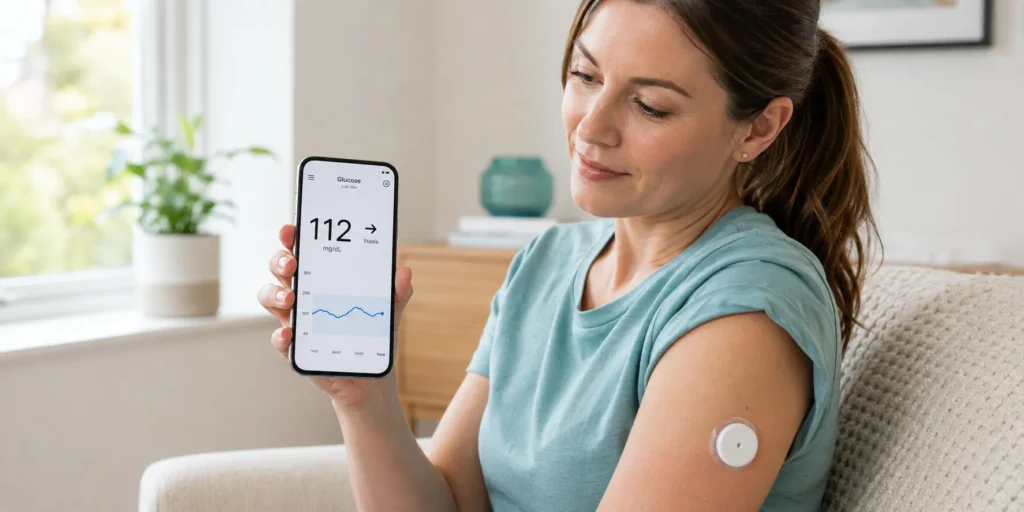
A CGM is a small sensor, usually worn on the arm or belly, that checks blood sugar automatically all day and night — no finger prick needed.
The 2026 edition broadens who can use one: not just people on insulin, but many people managing diabetes with pills or lifestyle changes alone.
Why It Matters for Diabetes Educator Training
In practice, this means CGM is increasingly used as a teaching tool, not just a safety device. Seeing a real-time glucose spike after a specific meal is a far more persuasive teaching moment than a three-month-old A1c number – and educators are being trained to use that data conversationally, not just clinically.
Key takeaway: CGM at diagnosis is now encouraged rather than reserved for later, more difficult stages of disease.
3. Medicine Choices Now Guided by Heart and Kidney Health
In 2026, doctors are choosing diabetes medicines based on a patient’s heart, kidney, and liver health first – not just their blood sugar test results (A1c).
Quick definitions: “A1c” is a blood test that shows average blood sugar over the past 2–3 months. “Cardiometabolic” simply describes how heart health and metabolism/blood sugar affect each other.
The 2026 shift means SGLT2 inhibitors and GLP-1 medicines are now chosen based on a patient’s heart and kidney disease status, regardless of their A1c number or whether they’re already on metformin.
| Medication Class | What It Does | 2026 Practice Note |
|---|---|---|
| GLP-1 / GIP medicines | Lowers blood sugar and helps with weight | Increasingly used for patients who also have heart or weight-related health issues; confirm current labeling before counseling |
| SGLT2 inhibitors | Protects the kidneys and heart | Strongly recommended for patients with heart failure, especially a weaker-pumping heart, to lower hospital visits and heart risk |
| Oral GLP-1 pills | Helps with weight and blood sugar | Confirm current FDA-approved dosing directly with the prescribing label; this is a fast-moving area |
Myth vs. Fact
| Myth | Fact |
|---|---|
| “Medicine choice depends mainly on the A1c blood test.” | 2026 guidance looks at heart, kidney, and liver risk first; the A1c number matters, but it’s no longer the main deciding factor. |
| “GLP-1 medicines are just weight-loss drugs.” | They’re prescribed to control blood sugar and protect the heart; weight loss is a helpful side effect, not the main reason they’re given. |
4. Type 1 Diabetes Staging and Preventive Immunotherapy
Doctors can now find early warning signs of type 1 diabetes with a simple blood test — years before a person feels sick — and a newer treatment can delay the disease from actually starting.
How Staging Works
Type 1 diabetes doesn’t appear overnight. The body’s immune system slowly starts attacking the cells that make insulin. This can be watched early through a blood test that checks for specific warning markers, called “autoantibodies.”
The 2026 guidance was fine-tuned so that even finding just one of these early warning markers now means a person should be monitored more closely – similar to monitoring at a more advanced early stage.
The goal is to catch the disease process early, before someone ever feels symptoms.
Teplizumab: What Educators Should Know
A treatment called teplizumab, given through a two-week series of IV infusions, has been shown to delay full onset of the disease in people who test positive for these early warning signs.
Educators supporting these patients should understand what this treatment involves and what a realistic timeline looks like – this is worth double-checking against current official drug information, since eligibility and dosing details can be updated over time.
5. Person-Centered Nutrition Replaces One-Size-Fits-All Rules
2026 guidance favors flexible, culturally adapted eating patterns over blanket carb restriction. The updated Standards reinforce evidence-based eating patterns, including Mediterranean-style and low-carbohydrate diets, for preventing and managing type 2 diabetes.

Training Focus Areas
Nutrition modules in diabetes educator training now spend less time on rigid meal plans and more time on these three areas:
- Respecting food traditions — working with a patient’s everyday meals (rice, tortillas, roti, and so on) instead of telling them to simply stop eating them.
- Eating order matters — teaching patients to eat vegetables and protein before rice, bread, or other starchy foods, since this can noticeably soften the blood sugar spike that follows a meal.
- Protecting muscle during weight loss — as more patients use strong weight-loss medications, educators are paying closer attention to protein intake, so that the weight a patient loses comes from fat, not muscle (specific target amounts should be confirmed against current official guidance before counseling patients).
What This Means for CDCES and CE Training
These five changes aren’t just interesting facts — they’re reshaping what diabetes educator training programs actually teach. Certificate courses are increasingly built around exactly these topics, and the training hours count toward continuing education requirements for nurses, pharmacists, and dietitians.
If you’re working toward or renewing a CDCES certification, expect your coursework and exam to spend more time on automated insulin devices, wider CGM use, how heart and kidney health now guide medicine choices, early type 1 diabetes detection, and flexible nutrition counseling — not just the basics of counting carbs and dosing insulin.
Key Takeaways
Here’s what every diabetes educator training program and CE course should reflect in 2026:
- AID is now the preferred insulin delivery method for eligible type 1 and type 2 patients.
- CGM eligibility has expanded well beyond insulin users.
- Medication choice starts with cardiometabolic risk, not just HbA1c.
- Type 1 diabetes can now be staged and, in some cases, delayed before symptoms start.
- Nutrition training has moved toward flexibility and cultural adaptation over rigid rules.
- CDCES and CE training content is shifting to match all five domains above.
Conclusion
The throughline across all five 2026 changes is the same: diabetes care is becoming more proactive, more personalized, and more technology-supported – and diabetes educator training programs have to keep pace with it.
Verify each guideline against the primary ADA source before applying it in practice, and treat this article as a starting map, not a replacement for the full Standards of Care.
Next step: Review the full 2026 ADA Standards of Care directly, and check your CE provider’s current course catalogue against the five domains above to identify any gaps in your own training.
Frequently Asked Questions
Q. What is diabetes educator training?
Diabetes educator training prepares healthcare professionals — nurses, dietitians, pharmacists, and others — to help patients manage diabetes day to day, often leading to a CDCES credential.
Q. What changed in diabetes educator training for 2026?
The ADA’s 2026 Standards of Care shifted emphasis toward automated insulin delivery, broader CGM use, cardiometabolic-first prescribing, type 1 diabetes staging, and flexible, culturally adapted nutrition guidance.
Q. What qualifications are needed to become a diabetes educator?
Most diabetes educators hold a base license (RN, RD, PharmD, or similar) and pursue the CDCES credential through the Certification Board for Diabetes Care and Education Specialists.
Q. What is the difference between CDE and CDCES?
CDCES (Certified Diabetes Care and Education Specialist) is the current name for what was previously called CDE (Certified Diabetes Educator) – same core credential, updated title.
Q. Is automated insulin delivery only for Type 1 diabetes?
No. As of 2026, AID is the ADA’s preferred insulin delivery method for eligible patients on intensive insulin therapy regardless of diabetes type, including many with type 2.
Q. Who should get continuous glucose monitoring in 2026?
CGM eligibility now extends beyond insulin users to include many non-insulin type 2 patients and select patients with prediabetes, per the 2026 Standards of Care.
Q. How long does diabetes educator certification take?
Timelines vary by pathway, but most CDCES candidates complete prerequisite clinical hours plus an exam-prep course – commonly a matter of months rather than years, depending on prior clinical experience.
If you evaluate or design diabetes educator training content, use the five domains above as a checklist against your current curriculum before the next CE cycle.
References
- American Diabetes Association — Standards of Care in Diabetes, 2026 edition – official 2026 Standards document (Section 1: AID)
- ADA Newsroom — “Standards of Care in Diabetes—2026” – press release summary (Section 2: CGM)
- ADCES — CDCES Certification Requirements – official eligibility criteria (Section 3: medications)
- CDC — National Diabetes Statistics Report – U.S. prevalence data (Section 4: teplizumab)
- FDA prescribing information for teplizumab – link directly to the current drug label before publishing; verify dosing hasn’t changed.